



Arusha.
The rehabilitation and upgrading of Lake Manyara Airport in Karatu District, Arusha Region, has reached 12.2 percent completion, according to the Tanzania National Roads Agency (Tanroads).
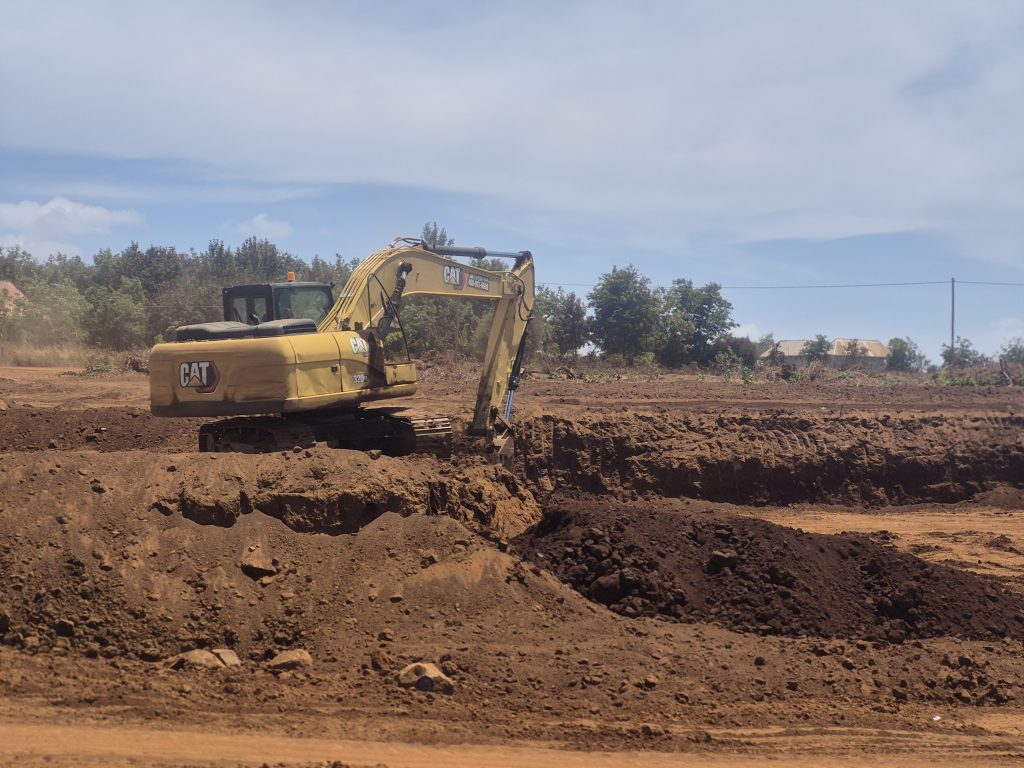
Speaking to journalists on the progress of the Sh88.54 billion project, Tanroads project engineer Solomon Mdede said the contractor is targeting to complete the first section of the airport’s runway by the end of December 2026.
The project is aimed at improving airport infrastructure, enhancing aircraft safety and operational efficiency, and facilitating air travel for tourists visiting attractions in the northern tourism circuit.

Lake Manyara Airport plays an important role in the region’s tourism network, serving tourists travelling to Lake Manyara National Park as well as other destinations, including the Ngorongoro Conservation Area, Tarangire National Park and Serengeti National Park.
18-month project
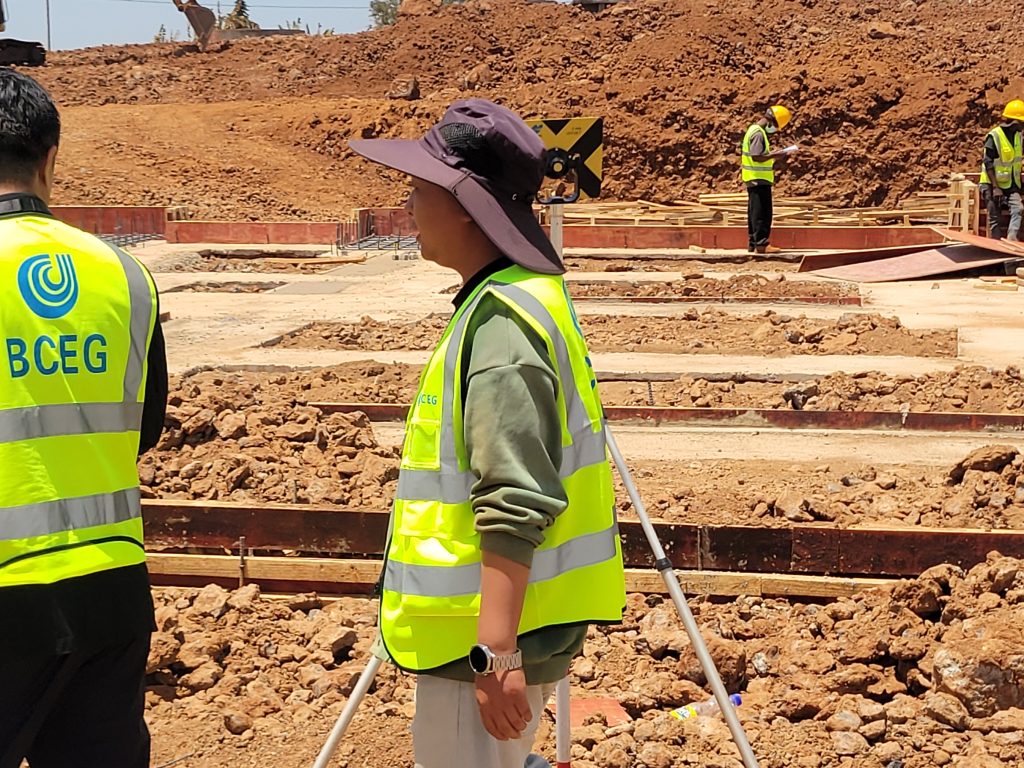
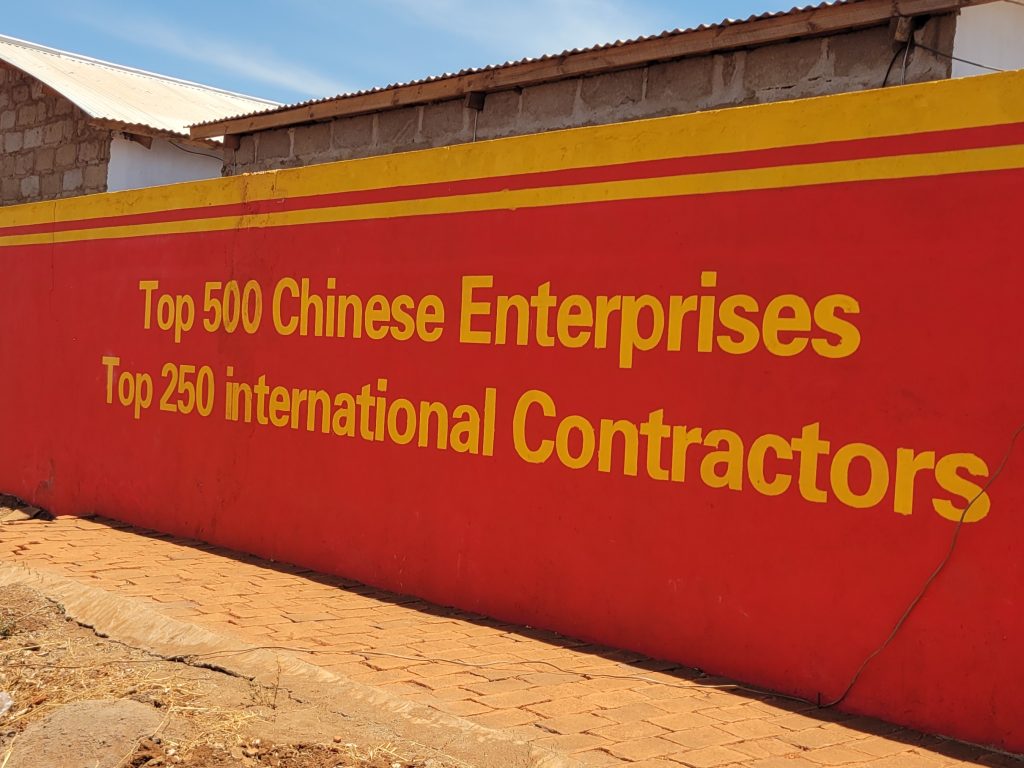
According to Mr Mdede, Tanroads is the employer of the project, while Beijing Construction Engineering Group Ltd (BCEG) is the contractor.
The project consultant is Intairplan GMBH, in partnership with Ethiopia’s SABA and Tanzania’s SELCA.
Construction officially began on December 18, 2025, and is scheduled for completion on June 18, 2027, following an 18-month implementation period.
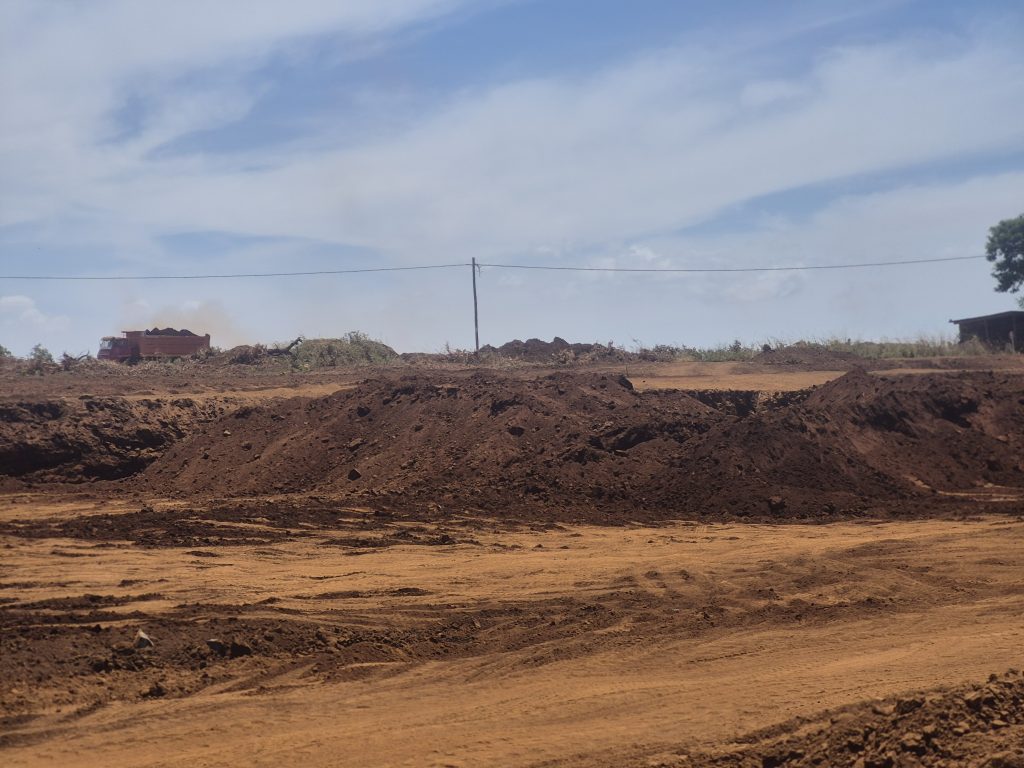
As of September 30, 2026, the project had reached 12.2 percent completion, compared with the 13.2 percent progress that had been planned under the contractor’s work programme.
1,500-metre runway and parking for six aircraft
The project includes major improvements to the airport’s infrastructure.
Among the works is the rehabilitation and upgrading of a 1,500-metre-long and 30-metre-wide runway.
The airport has been designed to Code 2C standards and will be capable of handling ATR 42 aircraft.
Taxiways measuring 125 metres in length and 25 metres in width will also be rehabilitated.
An aircraft apron covering approximately 22,000 square metres is being constructed and will have the capacity to accommodate up to six ATR 42 aircraft.
New passenger terminal and control tower
Another major component of the project is the construction of a new passenger terminal covering 6,851 square metres.
The terminal will be capable of handling up to 273 passengers at a time, alongside the construction of a new air traffic control tower.
The project also includes a 3,638.45-square-metre car park with capacity for 85 vehicles.
A 1,274-metre paved access road will also be constructed to facilitate entry to and exit from the airport.
Safety and emergency services
To strengthen airport security, the project includes upgrading the perimeter fence and security control system covering approximately 6,000 metres around the airport.
A fire station will also be constructed, while the airport’s stormwater drainage system will be improved.
Aircraft markings and safety equipment will be installed or upgraded in line with the airport’s technical requirements.
Work completed so far
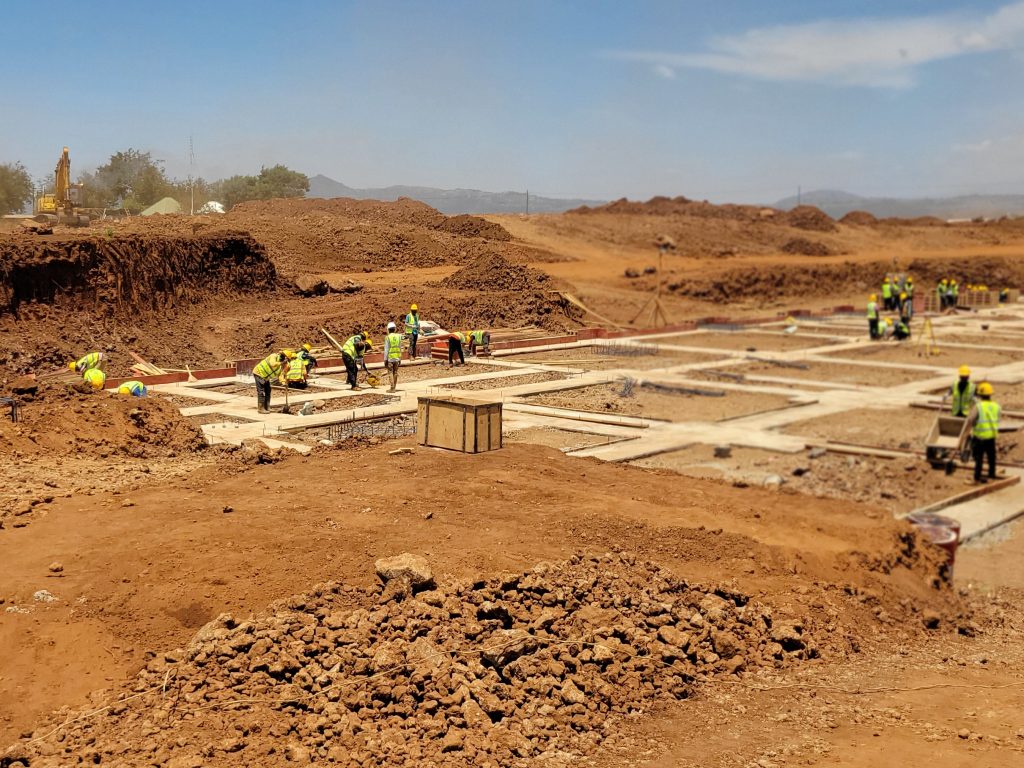
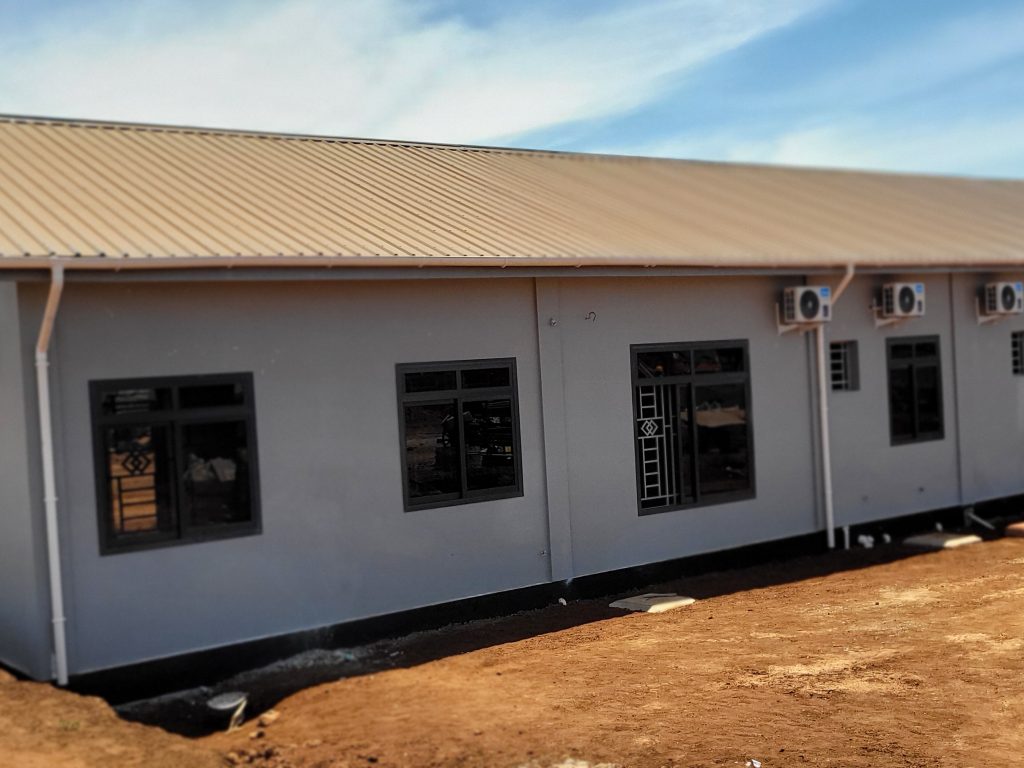
Work completed so far includes construction of the runway embankment, offices and a laboratory for the project engineer and consultant, as well as removal of topsoil from the passenger terminal site.
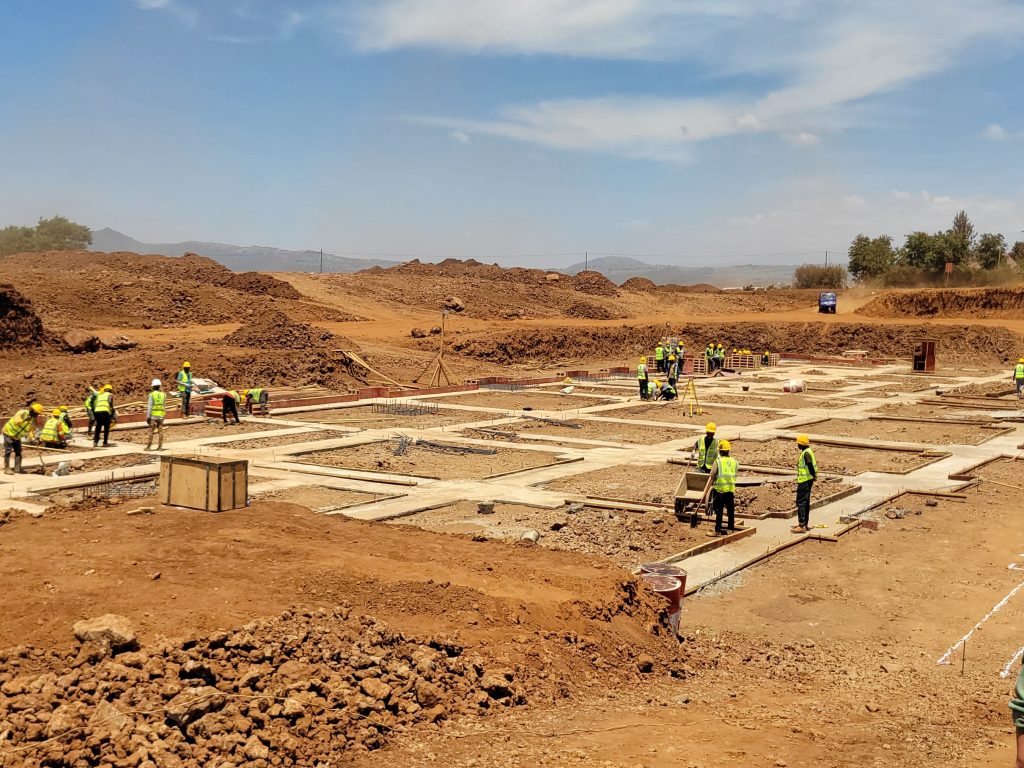
Foundation works for the passenger terminal have also started, including the laying of blinding concrete, while topsoil removal at the aircraft apron area is ongoing.
According to the project report, the contractor has already delivered more than 73.3 percent of the materials required for implementation.
Despite the progress, the contractor has been instructed to increase the pace of construction, strengthen site supervision and ensure that quality and safety standards are maintained throughout the project.
Contractor targets first runway section by December
Speaking on the progress of the project, Uri Cui, a representative of BCEG, said the company had prepared a work schedule aimed at ensuring the project is completed within the agreed timeframe.
Mr Cui said the contractor is targeting to complete the first section of the runway by the end of December 2026, with handover of that section planned for January 2027 before work proceeds to the next phase.
On the passenger terminal, he said work is currently at the blinding concrete stage, which involves preparing a level concrete surface before the main construction works begin.
He said the contractor has also prepared a system that will allow construction works on the passenger terminal to continue at night, a move intended to increase productivity and maintain the required pace of implementation.
According to Mr Cui, the company is continuing to increase manpower and equipment at the project site, with the aim of completing the works within the stipulated timeframe and in accordance with the required standards.
178 jobs created
In addition to infrastructure improvements, the project has begun creating employment opportunities for local communities.
So far, a total of 178 jobs have been created, of which 168, or 94.38 percent, have gone to Tanzanians.
Of the Tanzanian workers, 25 are women, representing 14.88 percent, while 99, equivalent to 58.93 percent, are residents from communities living near the project area.
The project is expected to continue creating employment opportunities for Tanzanians as implementation progresses, while also promoting gender inclusion.
Sh14.775 billion paid
On the financial side, the contractor has so far been paid Sh14.775 billion.
The amount includes Sh12.890 billion in advance payments and Sh1.885 billion paid through Interim Payment Certificate (IPC) No. 1.
The contractor also has a Sh2.6 billion claim under Interim Payment Certificate No. 2, which is currently being processed for payment.
Weather, materials among potential challenges
Despite the progress, the project could face challenges associated with changing weather conditions, particularly heavy rainfall that could disrupt some construction activities.
Timely availability of construction materials and raw materials is another potential challenge that could affect the pace of implementation if not properly managed.
As a result, schedule management, timely availability of materials and preparations to mitigate weather-related disruptions remain key priorities in the implementation of the project.
Project expected to boost air transport and tourism
The rehabilitation of Lake Manyara Airport is part of broader efforts to improve air transport infrastructure in Tanzania’s northern tourism circuit.
Located in Karatu District, Arusha Region, the airport links air transport with a tourism network covering Lake Manyara, Ngorongoro, Tarangire and Serengeti.
Upon completion on June 18, 2027, the project will deliver upgraded airport infrastructure, including the runway, aircraft apron, passenger terminal, control tower, access road and security systems.
For now, the focus remains on accelerating construction, ensuring the timely availability of materials and maintaining the required quality and safety standards until the project is completed.